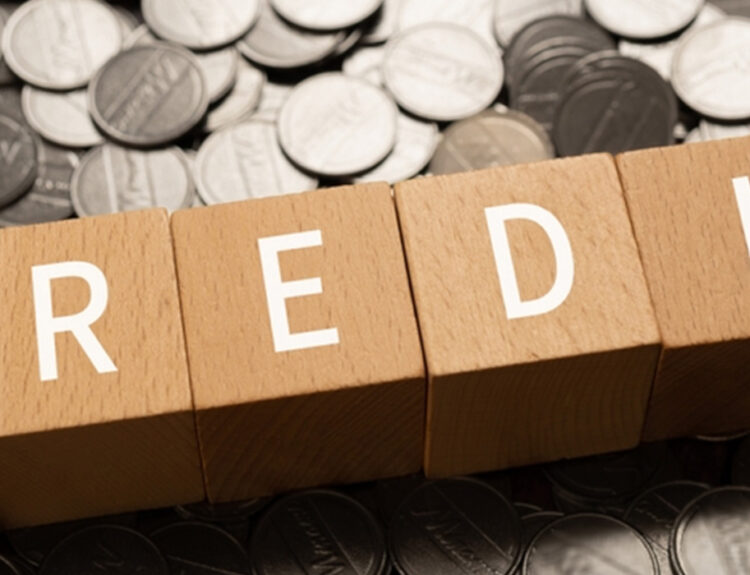

Personal credit health forms the foundation of modern financial independence in the United States. Whether you plan to buy a home, lease a vehicle, rent an apartment, or even secure a competitive employment position, your credit profile serves as your financial reputation. At the very core of this reputation lies a single fundamental habit: paying every bill on time, every single month.
While credit scoring algorithms evaluate several distinct variables, payment history remains the dominant metric determining your overall score. A single missed payment can reverse years of disciplined budgeting, costing thousands of dollars in elevated interest charges, unfavorable terms, and forfeited opportunities. Understanding how on-time payments affect your credit score, how late payments are reported, and how to build foolproof payment habits is essential for anyone seeking long-term financial security.
How Credit Scoring Models Evaluate Payment History
Credit scores, primarily calculated using models developed by FICO and VantageScore, distill complex financial histories into a three-digit number typically ranging from 300 to 850. While each model uses proprietary algorithms, both place the greatest weight on whether you pay your bills by their due dates.
-
FICO Score Weighting: In the standard FICO scoring framework, payment history accounts for a substantial thirty-five percent of your total credit score. This makes it the single largest category, outweighing amounts owed (thirty percent), length of credit history (fifteen percent), new credit inquiries (ten percent), and credit mix (ten percent).
-
VantageScore Prioritization: VantageScore similarly ranks payment history as its most influential factor, categorizing it as extremely influential in determining your overall credit grade.
-
Recency and Frequency: Credit scoring formulas do not treat all late payments equally. A missed payment from five years ago carries far less negative weight than a missed payment from last month. Furthermore, a single isolated late payment causes less long-term scoring damage than a pattern of chronic delinquencies across multiple accounts.
-
Severity of Delinquency: The length of time an account remains unpaid directly correlates with the severity of credit score damage. A thirty-day late payment is damaging, but a sixty-day, ninety-day, or one-hundred-twenty-day delinquency causes severe, compounding declines in your score.
The Mechanical Timeline of a Late Bill
Many consumers mistakenly believe that missing a payment by a single day immediately damages their credit score. In reality, credit reporting operates on a specific timeline governed by federal regulations and standard industry reporting procedures.
-
Grace Periods and Late Fees (Days 1 to 29): If your payment due date passes without a payment, the creditor will typically assess a late fee and may revoke promotional interest rates. However, credit card companies and loan servicers generally cannot report the delinquency to major credit bureaus (Equifax, Experian, and TransUnion) until the payment is a full thirty days past due.
-
The Thirty-Day Delinquency Mark (Days 30 to 59): Once an account reaches thirty days past the due date, the creditor reports the delinquency to the credit bureaus. This initial thirty-day late mark causes an immediate, noticeable drop in your credit score, especially for individuals who previously maintained excellent credit profiles.
-
The Sixty and Ninety-Day Escalation (Days 60 to 89 and 90+): If the bill remains unpaid, the creditor submits sixty-day and ninety-day delinquency updates. At ninety days, lenders view the debt as a severe default risk, and the negative mark causes long-term score depression.
-
Charge-Offs and Third-Party Collections (Days 120 to 180): After four to six months of non-payment, the original creditor will typically charge off the balance, meaning they write it off as an uncollectible loss on their books. The account is then either assigned to an internal collections department or sold to an external debt-collection agency. Both charge-offs and third-party collection accounts are listed as separate negative entries on your credit report.
Which Bills Impact Your Credit Profile
Not all recurring bills interact with the credit reporting bureaus in the exact same manner, but neglecting any obligation can eventually produce severe credit consequences.
-
Revolving Credit Accounts: Credit cards, retail store cards, and home equity lines of credit report monthly payment activity directly to the credit bureaus. Missing even the minimum payment on these accounts results in automatic reporting once thirty days past due.
-
Installment Loans: Auto loans, student loans, personal loans, and residential mortgages follow standard monthly reporting schedules. Timely payments steadily build your score, while missed payments rapidly erode it.
-
Utilities and Telecommunications: Electric, gas, water, internet, and mobile phone providers historically did not report positive, on-time payments to credit bureaus. However, if these accounts are left unpaid and eventually sent to third-party collection agencies, the resulting collection account appears on your credit report and causes significant scoring damage.
-
Medical Bills: While recent credit reporting rules have removed paid medical debt and unpaid medical debts under five hundred dollars from consumer credit reports, substantial unpaid medical balances exceeding this threshold can still appear as collection items after a mandatory one-year waiting period.
-
Residential Rent: Standard rent payments are not automatically included on credit reports unless your landlord or property management company utilizes a dedicated rent-reporting service. However, broken leases, unpaid rent balances, or eviction judgments transferred to collection agencies will appear and severely harm your creditworthiness.
The Long-Term Consequences of Late Payments
The negative effects of late payments extend far beyond a minor drop in your three-digit score. A damaged credit report alters the terms of your entire financial life.
-
Elevated Borrowing Costs: Lower credit scores result in higher interest rates on mortgages, auto loans, and personal loans. Over a thirty-year home mortgage, a difference of just one or two percentage points in your interest rate can translate into tens of thousands of dollars in extra interest payments.
-
Higher Insurance Premiums: In most US states, auto and homeowners insurance companies evaluate credit-based insurance scores when calculating policy premiums. Drivers with lower credit scores often pay substantially higher rates for the exact same coverage level.
-
Security Deposit Demands: Utility providers, cell phone carriers, and landlords frequently require substantial security deposits from individuals with inconsistent payment histories before initiating service or approving a lease agreement.
-
Employment Screening Hurdles: Employers in sectors such as finance, government, security, and corporate management often review modified credit reports as part of background checks. A history of missed bills or severe delinquencies can raise concerns regarding responsibility and reliability.
-
Reduced Credit Limits and Account Closures: Credit card issuers regularly monitor account holders credit profiles. If they notice late payments on outside accounts, they may proactively lower your existing credit limits or close your accounts entirely, which can increase your overall credit utilization ratio and lower your score further.
Strategies to Ensure Continuous On-Time Bill Payments
Achieving flawless payment consistency requires shifting from manual, memory-based payment routines to an automated, structured financial system.
-
Automate Minimum Payments: Set up automatic bank drafts for at least the minimum amount due on all credit cards and loans. You can still log in manually to pay off the remaining full balance before the due date, but the automated minimum payment guarantees that you never cross the thirty-day delinquency threshold if you forget or experience an emergency.
-
Align Payment Due Dates with Paychecks: Most credit card companies, utility providers, and loan servicers allow customers to customize their monthly payment due dates. Contact your lenders and adjust your due dates so they fall a few days after your regular payroll deposits.
-
Implement a Dedicated Bill-Pay Account: Establish a separate checking account used exclusively for recurring monthly obligations. Calculate your total monthly fixed expenses, transfer the required sum from your primary income account each payday, and let automated payments draw solely from this protected balance.
-
Leverage Calendar Alerts and Text Notifications: Enroll in mobile text alerts and email reminders through your bank and credit accounts. Setting secondary alerts on your digital calendar five days prior to each due date provides an additional layer of oversight.
-
Build a One-Month Operating Buffer: Strive to maintain at least one full month of living expenses inside your primary bill-paying account. This buffer prevents unexpected timing discrepancies between income deposits and bill deductions from causing overdraft fees or bounced payments.
Frequently Asked Questions
How many points will a single thirty-day late payment drop my credit score?
The exact point reduction depends on your starting credit score and overall credit history. An individual with an exceptional score above 780 can see their score drop by sixty to one hundred points from a single thirty-day late payment because the missed payment represents a drastic departure from their established pattern. For someone with a lower starting score or existing negative marks, the drop is typically smaller, often ranging from twenty to forty points, although the cumulative impact remains harmful.
How long does a late payment remain on a standard credit report?
In accordance with the Fair Credit Reporting Act, late payments and delinquent marks remain on your credit report for up to seven years from the original date of delinquency. However, the negative impact on your actual credit score diminishes steadily over time, particularly after the first twenty-four months, provided you maintain perfect payment habits on all other accounts moving forward.
Can I get a late payment removed from my credit report if it was an honest mistake?
If the late payment was reported accurately, credit bureaus are legally required to maintain it. However, you can contact the original creditor directly and submit a goodwill adjustment letter. If you have a long history of on-time payments with that specific institution and the late payment was an isolated occurrence, the creditor may agree to submit a courtesy request to the credit bureaus to delete the delinquency mark.
Does paying off an account that went to collections immediately restore my credit score?
Under older FICO scoring models, a paid collection account remains on your report for seven years and continues to weigh down your score, although lenders view a paid collection more favorably than an active, unpaid collection. Newer scoring models, including FICO Score 9, FICO Score 10, and VantageScore 3.0 and 4.0, completely ignore paid collection accounts, meaning your score will see an immediate improvement once the debt is marked as fully satisfied.
What should I do immediately if I realize I cannot make an upcoming bill payment on time?
Contact your creditor or loan servicer before the due date arrives. Most financial institutions offer hardship programs, temporary forbearance, fee waivers, or adjusted payment schedules for consumers who communicate proactively. Arranging a formal alternative agreement before the payment date prevents the account from being classified as delinquent and protects your credit profile from negative reporting.
Does making multiple payments throughout the billing cycle improve my payment history score more than one on-time payment?
No, making multiple payments within a single billing cycle does not multiply the positive impact on your payment history; an account is simply categorized as paid as agreed or delinquent for each monthly cycle. However, making multiple payments throughout the month can significantly lower your reported balance on the statement closing date, which reduces your credit utilization ratio and can quickly improve that portion of your overall score.
Why did my credit score drop after I paid off an installment loan entirely on time?
When you pay off an installment loan, such as an auto loan or student loan, the account is closed. This can cause a temporary, modest dip in your score due to two factors: a reduction in your active credit mix and a decrease in the total number of open, active accounts reporting positive monthly activity. This minor decline is normal and is far outweighed by the financial benefit of eliminating debt and interest expenses.